First Class. Business Class. Destination? The classroom
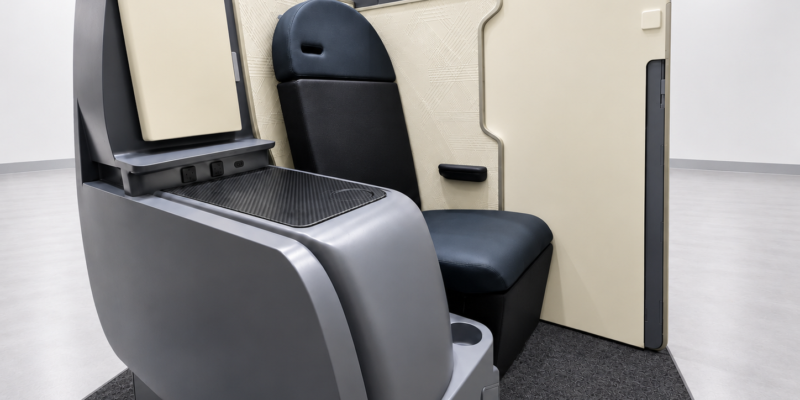
At first glance, you’d be forgiven for thinking a section of a Korean Air premium cabin had found its way into our facility in Ras Al Khaimah. The familiar cabin finishes and replicas of the airline’s First Class, Prestige Class and Premium Economy Class seating closely reflect the onboard environment.
There is, however, one significant difference: these seats will never carry a passenger.
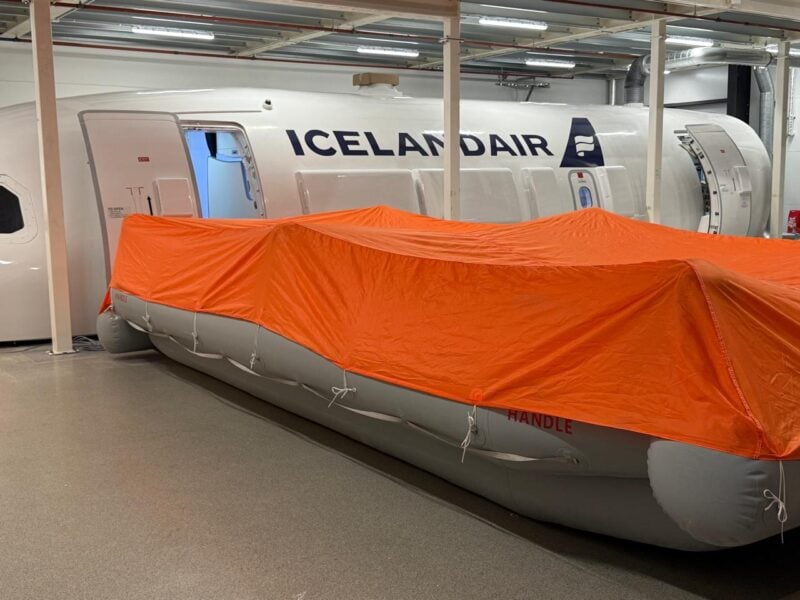
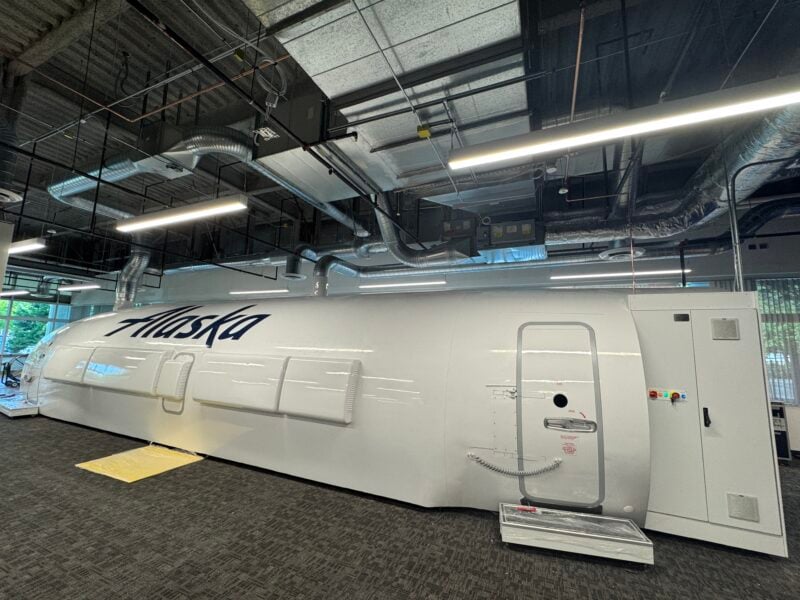
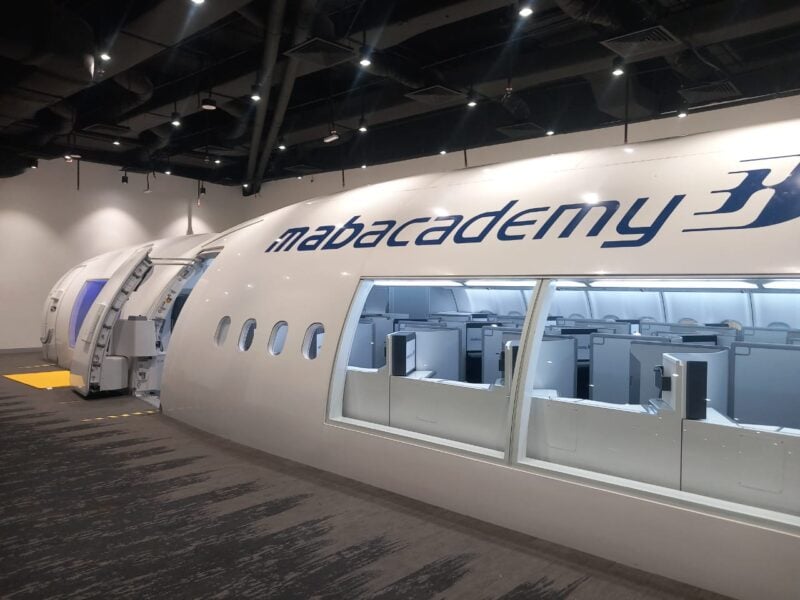
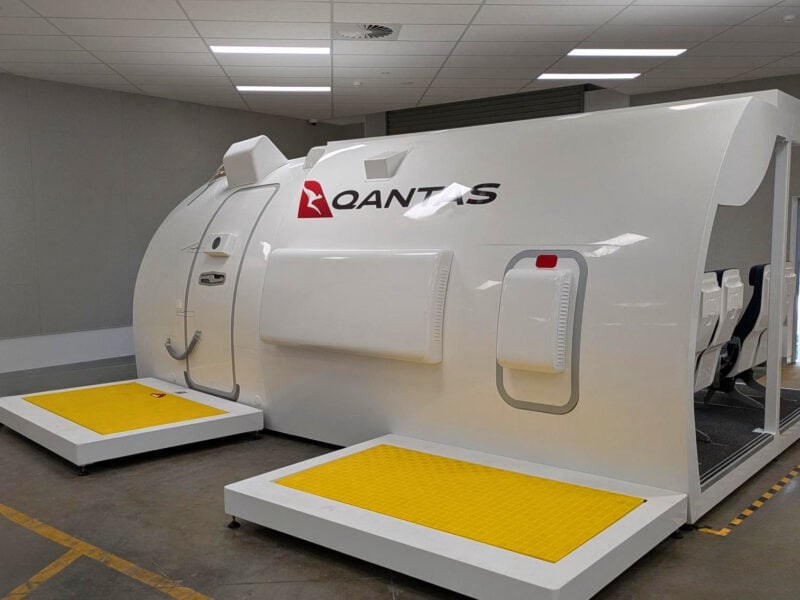
Instead, Spatial designed and manufactured the seats specifically for cabin crew training. By bringing elements of the airline’s premium cabin into the classroom, crews can train with equipment representative of what they encounter onboard.
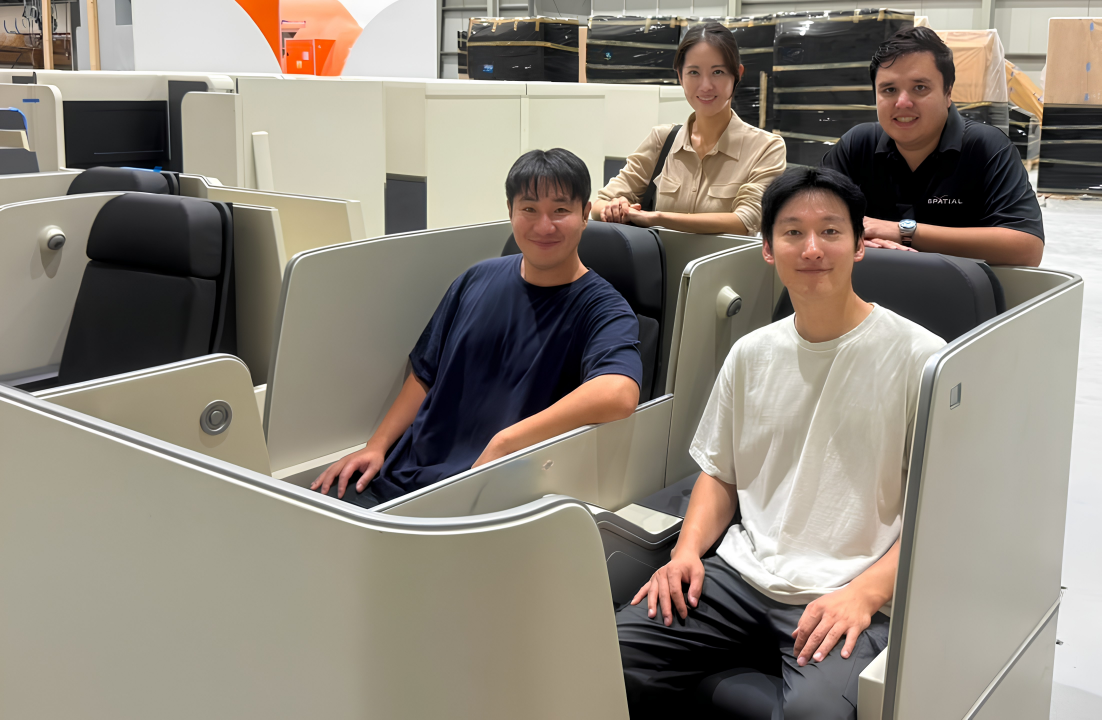
Recently, we welcomed representatives from Korean Air to Spatial for the Factory Acceptance Test (FAT) of the completed equipment. The visit marked the latest milestone in this bespoke project.
Using an operational aircraft every time cabin crew training takes place is neither practical nor efficient. Purpose-built training equipment allows airlines to recreate the relevant parts of the onboard environment within their training facilities. This gives crews the opportunity to build familiarity away from the aircraft.
For Korean Air, creating that familiarity is an important part of preparing cabin crew for the realities of working onboard.
“For service training, it is important for our cabin crew to train with seats that are the same as, or as similar as possible to, those used on our aircraft. The aircraft cabin is a unique working environment, with limited space and various physical constraints, so we aim to replicate those conditions as closely as possible during training.
Using seats that closely resemble the actual aircraft seats in their dimensions, functions and overall configuration helps minimise the gap between the training environment and the actual cabin, allowing our crew to become familiar with the environment and perform their service confidently and effectively onboard.”
Kunhee Kim, Korean Air
Creating equipment like this involves more than producing something that visually resembles the aircraft cabin.
Training equipment also needs to withstand repeated use, remain practical to maintain and perform reliably within a dedicated training environment.
For the Spatial project team, this meant paying close attention to details that make Korean Air’s First, Prestige and Premium Economy Class seating recognisable. The team also had to consider how those elements would function once removed from the aircraft environment.
“One of the most interesting parts of this project was finding the balance between recreating the look and functionality of the original seating and adapting it for a training environment. There are a lot of details that might seem small individually, but together they’re what make the finished equipment feel familiar to the crew who will be using it.
”Dias Omarov, Project Manager, Spatial
Following design and manufacture at Spatial’s Ras Al Khaimah facility, the Korean Air team joined us for Factory Acceptance Testing. Together, the Korean Air and Spatial teams evaluated the completed equipment against the agreed requirements before it leaves our facility.
FAT is also the stage where months of design, engineering and manufacturing finally come together as a completed training solution. In this case, the result looked remarkably like a section of Korean Air’s premium cabin sitting on our factory floor in Ras Al Khaimah.
Following the successful FAT, the project demonstrates how purpose-built equipment can support Korean Air cabin crew training. It helps minimise the gap between the classroom and the environment crews ultimately work in.
These seats may have been inspired by a cabin designed to travel thousands of miles, but their destination is rather closer to home.
The classroom.
Designed to train, built to perform.
Email:
info@spatial.aero
Telephone:
+971 7 243 4495
"*" indicates required fields