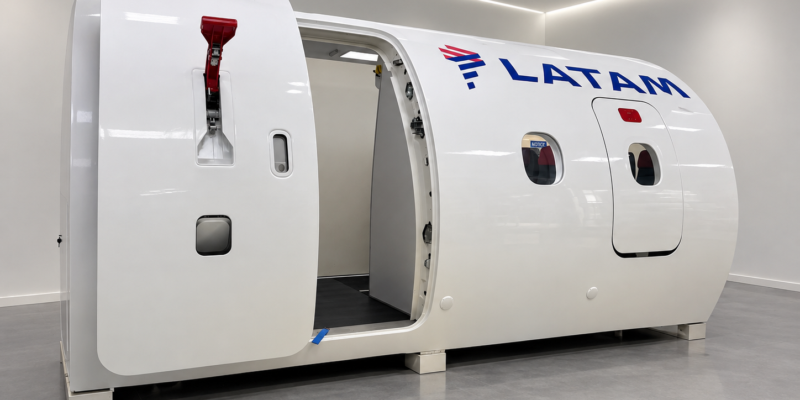
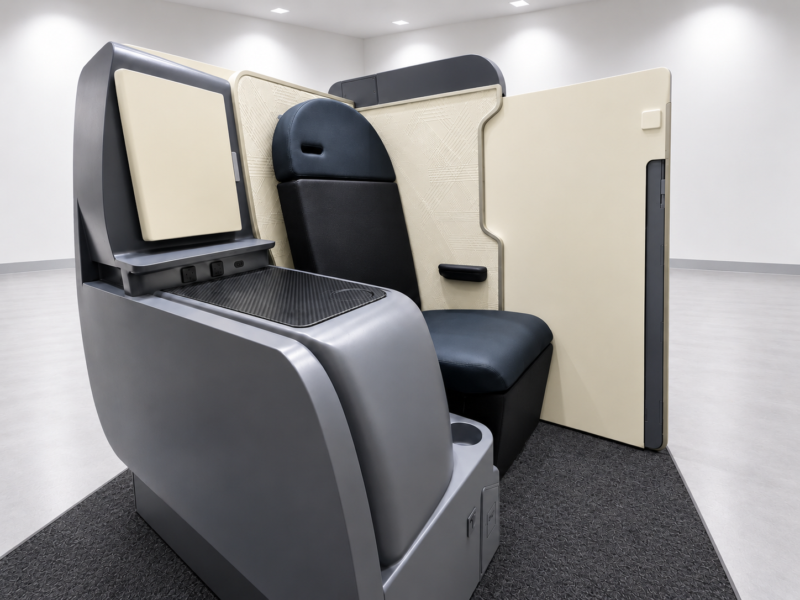
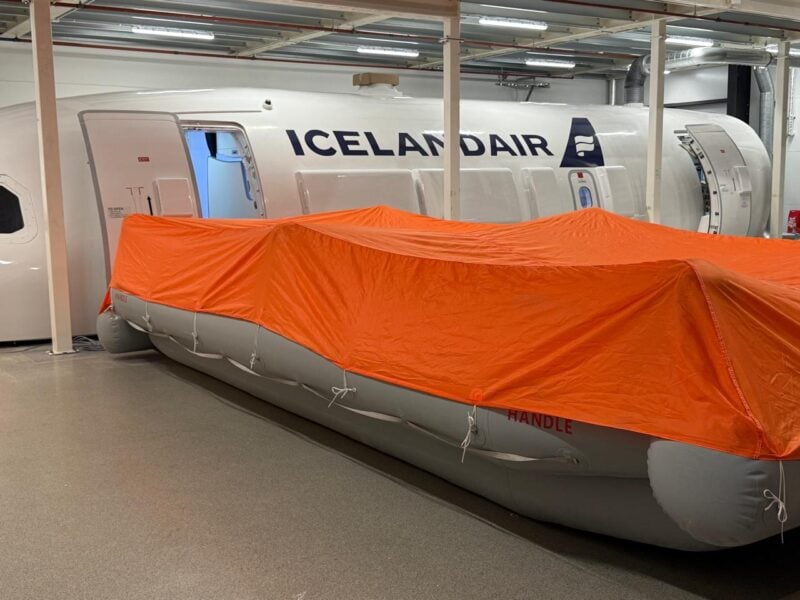
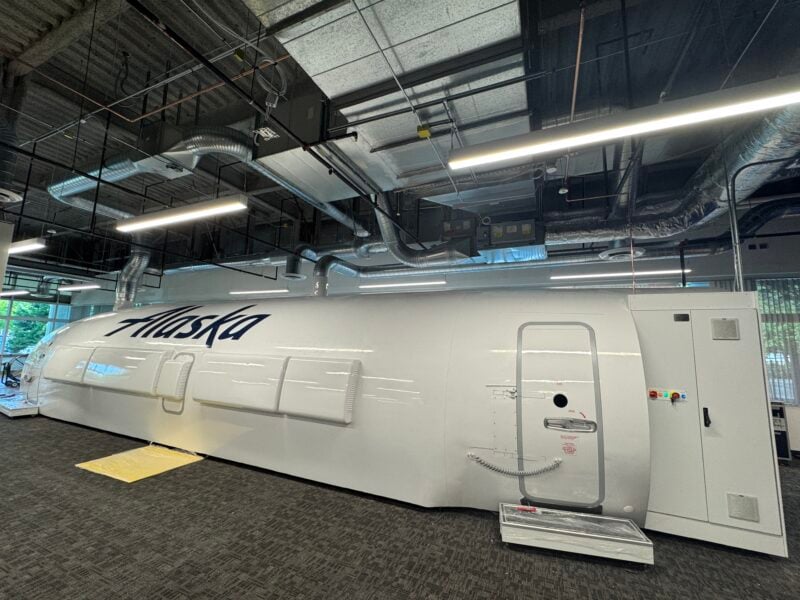
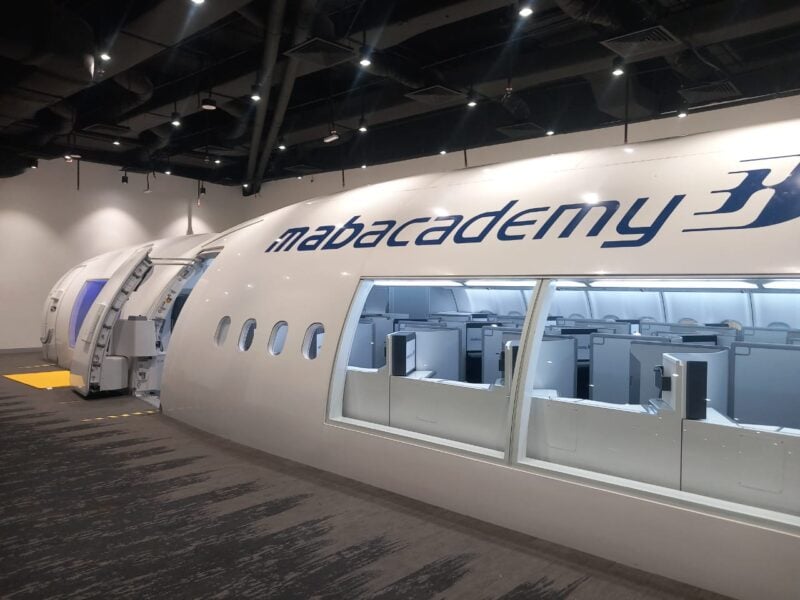
Aviation training equipment is built to be used.
Doors and emergency exits are operated repeatedly. Overhead stowage bins are opened and closed. Seats, flooring and handrails experience constant use, while integrated cabin systems are expected to perform consistently throughout training. That repeated use inevitably creates wear. Most of it develops gradually and identifying it early is considerably easier than dealing with an unexpected equipment failure during training.
Preventative maintenance provides an opportunity to do exactly that.
Regular inspections, functional checks and planned servicing can help identify developing issues, manage wear and keep training equipment operational when it is needed.
Start with the Areas Used Most
High-use components are a logical place to start.
Doors, emergency exits, overhead stowage bins, seating, flooring and handrails should be inspected regularly for loose fittings, worn components and signs of damage. For door trainers and other cabin crew training devices, it is important to consider how mechanisms operate as well as their physical condition. A mechanism may remain operational while beginning to show changes in resistance, movement or consistency.
Those changes can provide an early indication that adjustment, inspection or servicing is required.
Identifying them before they develop into a fault allows maintenance to be planned rather than dictated by an unexpected failure.
Look Beyond What You Can See
Not every developing issue is visible during a physical inspection.
Cabin lighting, audio and PA systems, instructor controls and other integrated systems should be functionally tested as part of routine maintenance. This becomes particularly important for equipment operating frequently or supporting multiple training programmes, where reliability needs to be maintained across repeated training cycles.
Regular functional checks allow inconsistencies and developing faults to be identified before they affect the availability of the device.
Use Maintenance History to Identify Patterns
A maintenance record should provide more than a history of completed repairs.
Repeated attention to the same component, increased wear in a particular area or maintenance that has been postponed several times can indicate a wider issue that requires investigation. Reviewing maintenance and repair history helps identify recurring faults, anticipate component replacement and plan servicing around operational requirements.
Used effectively, maintenance records don’t simply show what has happened to the equipment. They help inform what needs to happen next.
Don’t Let a Small Component Create Significant Downtime
The size of a component does not necessarily reflect the disruption its failure can cause.
If a critical part is unavailable when it is required, even a relatively minor repair can leave training equipment out of service longer than necessary. Maintaining an appropriate stock of commonly replaced and critical spare parts can reduce that risk and allow repairs to be completed more efficiently.
The right spares provision will vary according to the device, its age, configuration and frequency of use. Working with the equipment manufacturer can help operators identify which components should be prioritised rather than attempting to hold unnecessary stock.
Plan Maintenance Around Training
Some maintenance cannot and should not be completed while equipment remains in active use.
More extensive inspections, servicing of door mechanisms, replacement of worn flooring or interior components, refurbishment and system upgrades may all require planned downtime. Where possible, this work should be coordinated with quieter training periods or existing operational downtime.
Planned downtime is considerably easier to manage than an unexpected interruption halfway through a training programme.
Preventative maintenance cannot remove the need for equipment to be taken out of service entirely. What it can do is provide greater control over when that happens.
Put It Into Practice
Effective preventative maintenance starts with consistent checks.
We’ve created a Training Equipment Readiness Checklist to provide training teams with a practical starting point for reviewing their equipment.
It covers high-use components, cabin systems, signs of wear, maintenance history, critical spare parts and planned servicing, helping teams identify areas that may require further inspection or attention.
Download the Aviation Training Equipment Preventative Maintenance Checklist
The checklist is intended as a general reference and should be used alongside the manufacturer’s maintenance instructions and any applicable regulatory or organisational requirements.
Supporting Training Equipment Throughout Its Lifecycle
A training device may remain in operation for many years, but its support requirements will change throughout that time.
At Spatial, we support aviation training equipment throughout its operational lifecycle, from spare parts and preventative maintenance to servicing, refurbishment and system upgrades.
Our understanding of how training devices are designed, manufactured and used allows us to support customers not only when something requires attention, but also in planning the maintenance and upgrades that help keep equipment operational over the longer term.
Whether you’re planning scheduled maintenance, extending the operational life of an existing device or addressing a specific issue, our team can help identify the right approach.
Contact the Spatial team to discuss maintenance and lifecycle support: support@spatial.aero