The World’s Leading Aircraft Manufacturers in 2026
Aircraft manufacturers sit at the heart of global aviation. Every airline route, airport expansion plan, cabin crew training programme, and passenger journey depends on the aircraft being designed, built, delivered, and supported by a small group of highly specialised aerospace companies.
In 2026, the aircraft manufacturing industry is shaped by strong travel demand, record order backlogs, supply chain pressure, sustainability targets, and the need for safer, more efficient aircraft. While Airbus and Boeing continue to dominate the commercial aircraft market, manufacturers such as Embraer, ATR, COMAC, Bombardier, Gulfstream, Dassault, and Textron Aviation play crucial roles across regional aviation, business aviation, training, defence, and specialist aircraft sectors.
For aviation businesses, understanding aircraft manufacturers is not just about knowing who builds planes. It is about understanding the future of airline operations, cabin design, safety training, passenger experience, and global aviation growth.
Airbus: Europe’s Commercial Aviation Giant
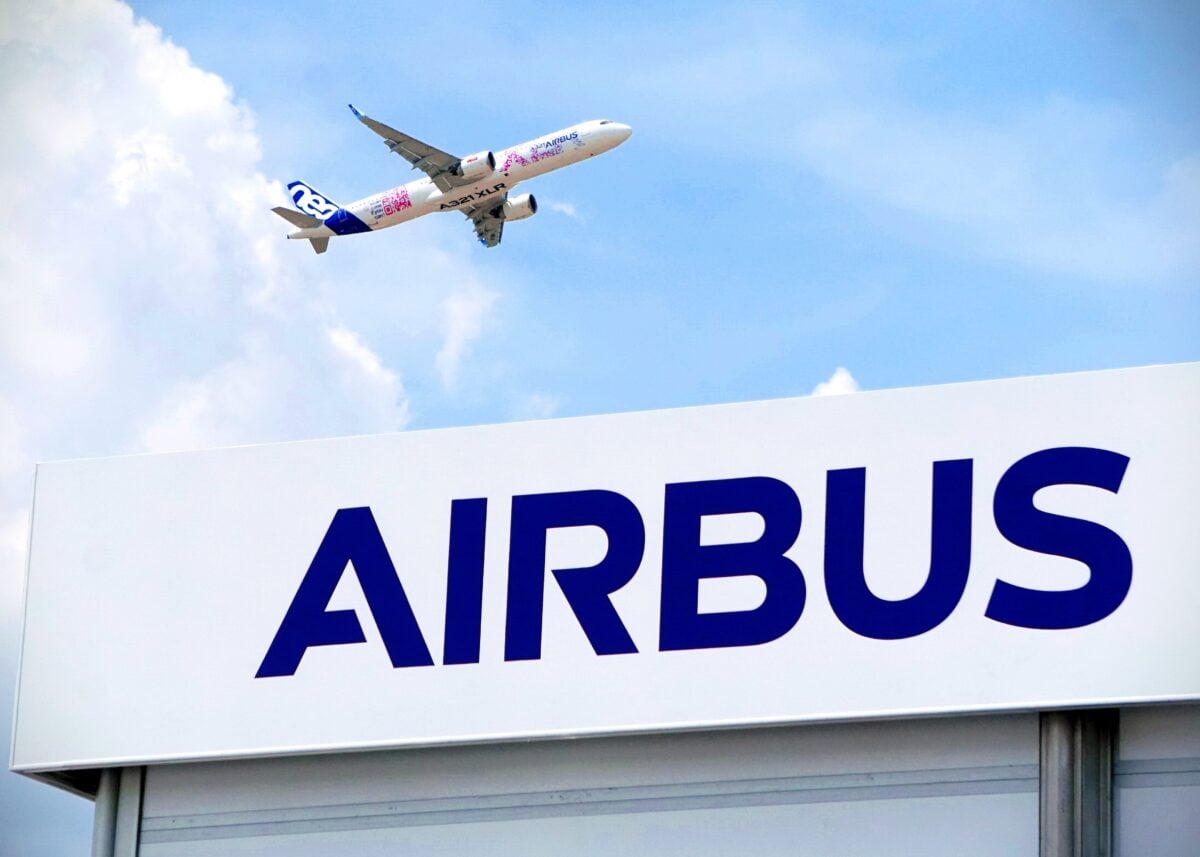
Airbus remains one of the world’s most important aircraft manufacturers. Headquartered in Europe, Airbus produces some of the most widely used commercial aircraft in the world, including the A220, A320neo family, A330neo, and A350.
The Airbus A320neo family is particularly important because it competes directly with the Boeing 737 MAX in the global narrowbody market. These aircraft are used by airlines for short- and medium-haul routes, making them essential to domestic, regional, and international aviation networks.
Airbus reported 793 commercial aircraft deliveries in 2025, alongside revenues of €73.4 billion and a commercial aircraft backlog of more than 8,700 aircraft. The company also issued guidance for around 870 commercial aircraft deliveries in 2026, showing how strong airline demand remains despite ongoing supply chain pressures.
Airbus has also invested heavily in sustainability, fuel efficiency, cabin innovation, and future propulsion technologies. Its modern aircraft are designed to reduce fuel burn, improve operating economics, and support airlines as they work toward long-term emissions targets.
Boeing: America’s Aerospace Powerhouse
Boeing remains one of the most recognisable names in aviation. Based in the United States, Boeing manufactures commercial aircraft, defence systems, space technology, and aviation services.
Its most important commercial aircraft families include the 737 MAX, 787 Dreamliner, 777X, and 767 freighter. The 737 MAX competes directly with the Airbus A320neo family, while the 787 Dreamliner is widely used on long-haul international routes.
Boeing has been working through a significant recovery period following production, quality, and regulatory challenges. However, the company showed signs of progress in 2025, delivering 600 commercial aircraft, its highest annual total since 2018, and winning more than 1,100 commercial orders.
In 2026, Boeing continues to focus on production stability, safety, quality, and rebuilding customer confidence. Its aircraft remain central to many airline fleets, especially in North America, the Middle East, and Asia-Pacific.
For airlines, Boeing’s long-term role remains essential. Its aircraft support high-capacity operations, global route networks, cargo operations, and long-haul connectivity.
Embraer: The Regional Aircraft Specialist
Brazil’s Embraer is one of the most important aircraft manufacturers outside the Airbus-Boeing duopoly.
Embraer is best known for regional and smaller commercial aircraft, particularly the E-Jet and E2 aircraft families. These aircraft are used by airlines to serve thinner routes, regional markets, and lower-density city pairs that may not justify larger narrowbody aircraft.
The Embraer E175 remains popular in North America, while the E190-E2 and E195-E2 offer airlines improved fuel efficiency and lower operating costs. These aircraft are especially valuable for regional carriers and airlines looking to optimise capacity.
Embraer’s business also extends into executive aviation, defence, agriculture, and advanced air mobility. The company’s 2026 guidance included expected commercial aviation deliveries of 80 to 85 aircraft and executive aviation deliveries of 160 to 170 aircraft.
Embraer has also reported strong recent performance, including record first-quarter 2026 revenue of US$1.4 billion, reflecting continued demand across commercial and executive aviation.
COMAC: China’s Growing Aircraft Manufacturer
COMAC, the Commercial Aircraft Corporation of China, is one of the most closely watched manufacturers in global aviation.
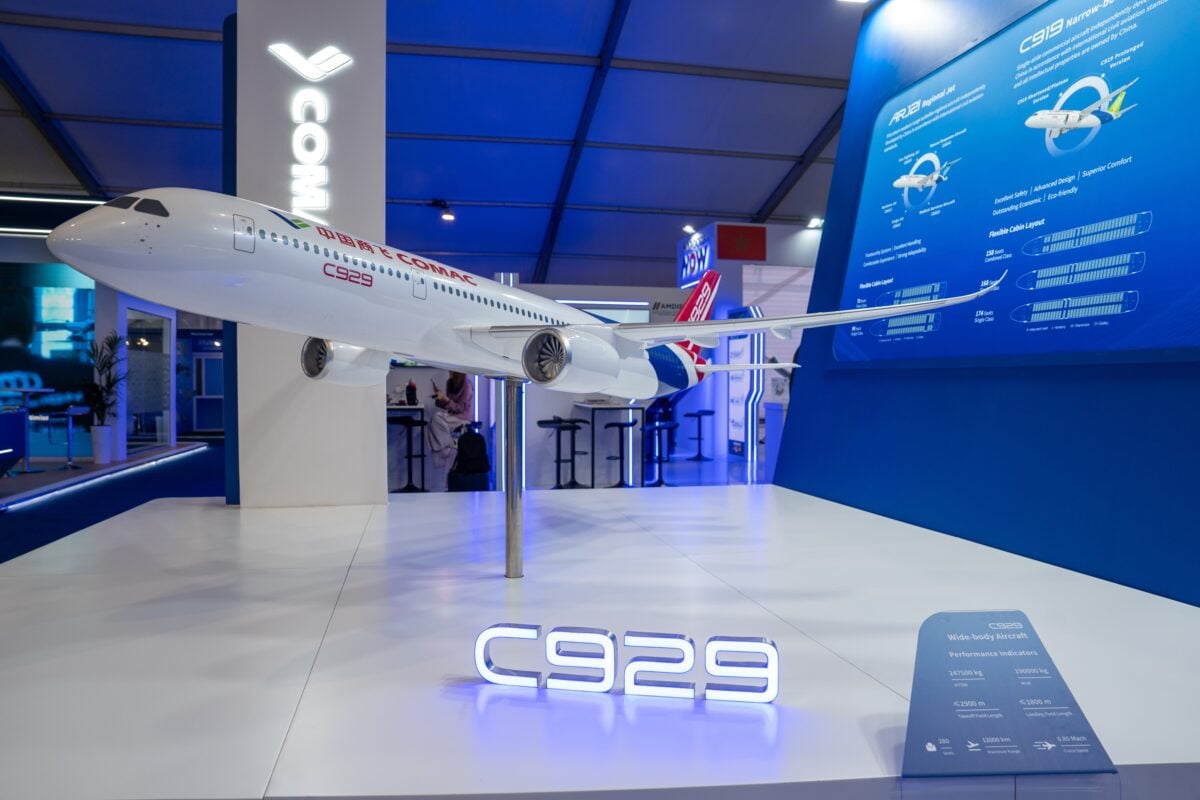
Its C919 aircraft is China’s answer to the Airbus A320neo and Boeing 737 MAX. The programme is strategically important because it supports China’s ambition to build a domestic commercial aircraft industry and reduce reliance on Western manufacturers.
While COMAC has made progress, scaling aircraft production remains challenging. Reports in 2025 suggested that COMAC reduced its C919 delivery target from 75 aircraft to around 25 due to supply chain bottlenecks.
Despite this, COMAC is expected to remain an increasingly important manufacturer over the long term, particularly within China’s domestic aviation market. If production scales successfully, COMAC could become a stronger competitor in the global narrowbody market.
ATR: Regional Turboprop Efficiency
ATR, jointly owned by Airbus and Leonardo, specialises in turboprop aircraft. Its ATR 42 and ATR 72 aircraft are widely used for regional routes, island operations, short runways, and lower-demand markets.
Turboprops remain highly relevant because they are efficient on short sectors where jet aircraft may consume more fuel. For airlines operating regional services, ATR aircraft offer lower operating costs and strong environmental advantages compared with larger jets on short routes.
ATR aircraft are especially popular in Europe, Asia-Pacific, Africa, and island nations where connectivity depends on smaller aircraft and flexible operations.
Bombardier, Gulfstream, Dassault, and Business Aviation
Not all aircraft manufacturers focus on commercial airlines.
Business aviation is another major part of the aircraft manufacturing world. Companies such as Bombardier, Gulfstream, Dassault Aviation, and Textron Aviation design and build private jets, corporate aircraft, and specialist aviation platforms.
Bombardier is known for its Challenger and Global aircraft families. Gulfstream manufactures long-range business jets such as the G700. Dassault produces the Falcon family, while Textron Aviation builds Cessna Citation jets, Beechcraft aircraft, and other general aviation platforms.
These manufacturers serve corporate travel, government transport, medical evacuation, charter operations, and specialist missions. Although smaller in passenger volume than commercial aviation, business aviation plays a major role in global aerospace manufacturing and innovation.
Why Aircraft Manufacturers Matter to Airlines
Aircraft manufacturers influence almost every part of airline operations.
Their designs affect:
Fuel efficiency
Maintenance costs
Cabin layout
Passenger comfort
Range and route planning
Crew training requirements
Safety procedures
Emergency equipment
Airline profitability
A new aircraft type is not simply a purchase. It requires pilot training, cabin crew training, maintenance preparation, airport compatibility checks, safety documentation, evacuation procedures, and operational integration.
This is why manufacturers, airlines, training providers, and regulators are closely connected.
When an airline introduces a new aircraft, teams must understand everything from door operation and emergency exits to cabin systems, evacuation commands, passenger management, and safety equipment location.
Aircraft Manufacturing and Sustainability
Sustainability is now one of the biggest priorities in aircraft manufacturing.
Manufacturers are investing in:
Lighter materials
More efficient engines
Improved aerodynamics
Sustainable aviation fuel compatibility
Hybrid-electric research
Hydrogen aircraft concepts
Reduced cabin weight
Lower noise profiles
Airlines are under increasing pressure to reduce emissions, and aircraft manufacturers play a critical role in making that possible.
Newer aircraft such as the Airbus A320neo, Airbus A350, Boeing 787, Embraer E2, and ATR turboprops are designed to deliver better fuel efficiency than previous generations. Over time, fleet renewal will be one of the most important tools airlines use to reduce emissions.
The Future of Aircraft Manufacturing
The future of aircraft manufacturing will be shaped by three major forces: demand, sustainability, and technology.
Airlines need more aircraft to meet rising passenger demand. Manufacturers need to increase production while maintaining safety and quality. At the same time, the industry must reduce emissions and prepare for future technologies such as hydrogen propulsion, electric aircraft, and advanced automation.
Supply chains will also remain a major issue. Aircraft are among the most complex products in the world, involving thousands of suppliers and millions of individual parts. Delays in engines, avionics, materials, or interiors can affect delivery schedules across the entire industry.
The manufacturers that succeed will be those that can combine innovation, production reliability, safety, and sustainability.
Final Thoughts
Aircraft manufacturers are the foundation of global aviation. Airbus and Boeing continue to dominate commercial aircraft production, while Embraer, ATR, COMAC, Bombardier, Gulfstream, Dassault, and Textron Aviation each play important roles in regional, business, defence, and specialist aviation markets.
As aviation grows in 2026 and beyond, manufacturers will shape the aircraft airlines fly, the routes they operate, the cabins passengers experience, and the safety procedures crews must master.
For airlines and training organisations, every new aircraft type brings new operational requirements. Cabin crew, pilots, and safety teams must be prepared to operate confidently in realistic aircraft environments.
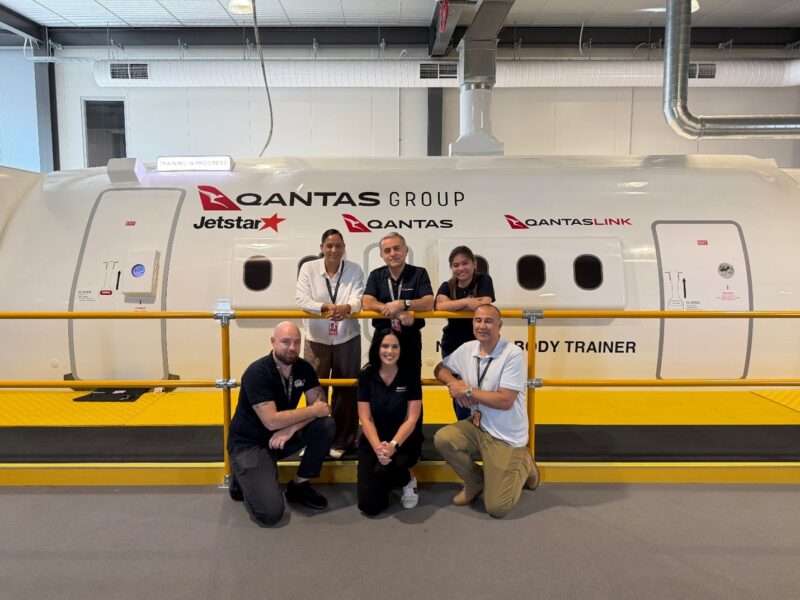
Spatial supports this need through advanced aviation training systems, including cabin crew trainers, door trainers, evacuation training devices, and immersive simulation environments. By helping airlines and training centres replicate real aircraft conditions, Spatial enables aviation professionals to build the practical skills they need for safe, effective operations.
Brand development, content, digital marketing, sales collateral and wider marketing activity, taking projects from initial concept through to execution.